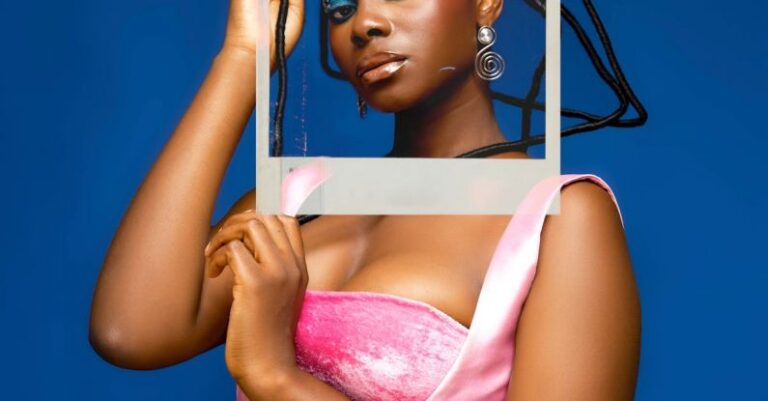
Are Genderless Collections the Next Big Trend?
In the ever-evolving world of fashion, trends come and go, but one emerging concept that is gaining traction is genderless collections. As societal norms continue to shift towards inclusivity and breaking down traditional stereotypes, the fashion industry is responding with a wave of gender-neutral designs. Are genderless collections the next big trend to revolutionize the way we perceive and consume fashion?
Breaking Down Gender Barriers in Fashion
The concept of genderless fashion challenges the traditional binary notions of clothing designed for either men or women. Instead, it embraces a more fluid and inclusive approach where garments are created to be worn by individuals regardless of their gender identity. This shift not only promotes diversity and equality but also offers a new level of freedom and self-expression for consumers.
Designers Leading the Way
Several designers and fashion houses have already embraced the genderless trend, with brands like Gucci, Rick Owens, and Telfar leading the way. These designers are redefining the boundaries of fashion by creating collections that are not limited by traditional gender norms. By blurring the lines between masculine and feminine aesthetics, they are opening up new possibilities for individuals to explore their personal style without constraints.
Embracing Diversity and Inclusivity
Genderless collections not only cater to individuals who do not identify within the traditional gender binary but also appeal to a broader audience seeking more diverse and inclusive fashion options. By eliminating the constraints of gender-specific clothing, these collections allow individuals to express themselves authentically and without limitations. This newfound sense of freedom in fashion resonates with consumers who are looking for clothing that aligns with their values of inclusivity and self-expression.
Challenging Stereotypes and Norms
The rise of genderless collections is also challenging long-standing stereotypes and norms associated with fashion. By creating designs that are not confined by gender expectations, designers are pushing the boundaries of creativity and redefining what it means to dress without limitations. This shift in perspective encourages individuals to break free from societal norms and embrace a more authentic and individualistic approach to style.
The Intersection of Fashion and Social Change
Genderless collections not only represent a shift in the fashion industry but also reflect broader social changes towards greater acceptance and inclusivity. As conversations around gender identity and expression become more mainstream, fashion plays a crucial role in shaping cultural perceptions and challenging societal norms. By embracing genderless collections, designers are not only creating clothing but also contributing to a larger movement towards equality and diversity.
The Future of Fashion: Genderless Collections
As the fashion industry continues to evolve, genderless collections are poised to become a dominant trend that reshapes the way we approach and consume fashion. By offering a more inclusive and diverse range of clothing options, designers are empowering individuals to express themselves authentically and without constraints. This shift towards genderless fashion represents a step towards a more equitable and inclusive future where self-expression knows no boundaries.
In conclusion, genderless collections are not just a passing trend but a powerful statement that challenges traditional notions of fashion and promotes inclusivity and diversity. As more designers and brands embrace this concept, we can expect to see a significant shift in the way we perceive and engage with clothing. Genderless collections represent a step towards a more inclusive and accepting future where fashion serves as a platform for self-expression and individuality. Get ready to see more genderless designs on the runway and in stores as the fashion industry continues to push boundaries and redefine what it means to dress without limitations.