Can Hemp Become the Go-to Material for Sustainable Fashion?
In the ever-evolving world of fashion, sustainability has become a key focus for many brands and consumers. As the detrimental effects of fast fashion on the environment become increasingly apparent, the search for more eco-friendly materials has intensified. One material that has been gaining attention for its potential to revolutionize the fashion industry is hemp. Known for its versatility, durability, and minimal environmental impact, hemp has the potential to become the go-to material for sustainable fashion.
The Rise of Hemp in Fashion
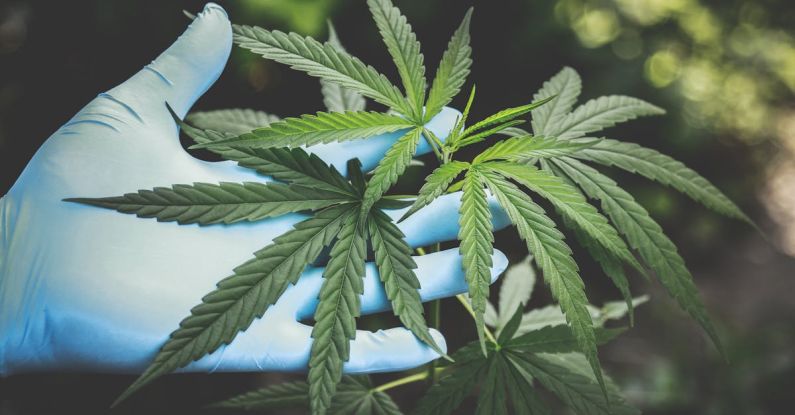
Hemp, a variety of the Cannabis sativa plant, has a long history of use in various industries, including textiles. Despite its association with marijuana, hemp contains only trace amounts of THC, the psychoactive compound found in cannabis. This distinction is important as it allows hemp to be legally grown in many countries for industrial purposes.
Hemp fibers are known for their strength and durability, making them ideal for use in clothing and accessories. Additionally, hemp is a fast-growing crop that requires minimal water and pesticides, making it a more sustainable option compared to conventional cotton. The plant also has the ability to improve soil health, making it a regenerative crop that benefits the environment.
Versatility in Design
One of the key reasons hemp has the potential to become a staple material in sustainable fashion is its versatility in design. Hemp fibers can be blended with other materials such as organic cotton, recycled polyester, or Tencel to create a wide range of fabrics with different textures and properties. From soft and breathable to durable and water-resistant, hemp-based fabrics can cater to various fashion needs.
Hemp can be used to create a wide range of clothing items, from everyday basics like t-shirts and jeans to more luxurious pieces like dresses and suits. Its natural earthy tones also make it a popular choice for eco-conscious fashion brands looking to create timeless, versatile pieces that stand the test of time.
A Sustainable Alternative
The fashion industry is notorious for its wasteful practices and environmental impact. From water-intensive cotton cultivation to toxic chemical dyes, the production of conventional textiles takes a significant toll on the planet. In contrast, hemp requires minimal water, pesticides, and synthetic fertilizers to grow, making it a more sustainable alternative.
The durability of hemp fibers also means that clothing made from hemp lasts longer, reducing the need for frequent replacements. Additionally, hemp is biodegradable, meaning that at the end of its lifecycle, it can break down naturally without releasing harmful chemicals into the environment. This circular approach to fashion aligns with the principles of a more sustainable future.
Challenges and Opportunities
While hemp holds great promise as a sustainable material for fashion, there are still challenges that need to be addressed for it to become mainstream. One of the main obstacles is the misconception surrounding hemp due to its association with marijuana. Educating consumers about the differences between industrial hemp and recreational cannabis is crucial in breaking down these barriers.
Another challenge is the limited availability of hemp fabrics and the higher cost compared to conventional materials. However, as demand for sustainable fashion grows, more brands are exploring hemp as a viable option, leading to increased production and lower prices. Collaboration between designers, manufacturers, and policymakers is essential in driving the widespread adoption of hemp in the fashion industry.
Embracing a Hemp-Focused Future
As the fashion industry continues to shift towards sustainability, hemp has the potential to play a significant role in shaping the future of fashion. Its versatile properties, minimal environmental impact, and durability make it a compelling choice for brands looking to reduce their carbon footprint and meet the growing demand for eco-friendly products.
By embracing hemp as a go-to material for sustainable fashion, the industry can move closer to achieving a more circular and regenerative approach to clothing production. With innovation and collaboration, hemp has the opportunity to revolutionize the way we think about fashion, paving the way for a more sustainable and ethical future.