How Have Historical Garments Influenced Modern Fashion?
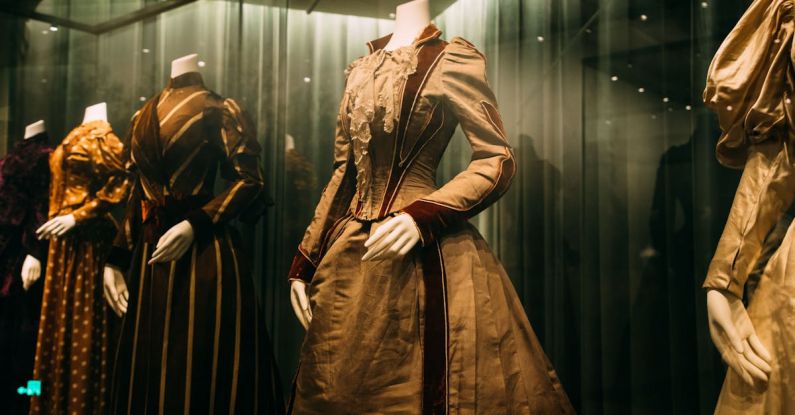
Throughout history, fashion has been a reflection of society, culture, and individual expression. Historical garments have played a significant role in shaping modern fashion trends and styles. From the elaborate gowns of the Victorian era to the bold silhouettes of the 1980s, designers continue to draw inspiration from the past to create innovative and contemporary looks that captivate the fashion world. In this article, we will explore how historical garments have influenced modern fashion, showcasing the enduring impact of the styles and aesthetics of bygone eras.
**Revival of Silhouettes:**
One of the most striking ways in which historical garments have influenced modern fashion is through the revival of silhouettes. Designers often look to the past for inspiration when creating new collections, reimagining and updating classic shapes to suit contemporary tastes. For example, the hourglass silhouette popularized in the 1950s has made a comeback in recent years, with high-waisted skirts and form-fitting tops becoming staples in many wardrobes. By paying homage to historical silhouettes, designers infuse their creations with a sense of nostalgia while also pushing the boundaries of traditional fashion norms.
**Use of Fabrics and Textures:**
Another way in which historical garments have left their mark on modern fashion is through the use of fabrics and textures. Fabrics such as silk, velvet, and lace have long been associated with luxury and elegance, and designers continue to incorporate these materials into their designs to evoke a sense of opulence and sophistication. The intricate beading and embroidery seen in historical garments have also made a resurgence in modern fashion, adding a touch of glamour and artistry to contemporary pieces. By blending traditional fabrics and textures with modern design techniques, designers create unique and visually stunning garments that pay homage to the past while looking towards the future.
**Color Palettes and Patterns:**
Historical garments have also influenced modern fashion through their use of color palettes and patterns. From the rich jewel tones of medieval tapestries to the bold geometric prints of the 1960s, designers draw inspiration from a wide range of historical sources when selecting colors and patterns for their collections. By incorporating elements of the past into their designs, designers create visually striking and memorable pieces that resonate with consumers on a deep emotional level. Whether it’s a vibrant floral print reminiscent of a Victorian garden or a monochromatic ensemble inspired by the minimalist aesthetic of the 1990s, historical garments continue to inform and inspire the color choices and patterns seen in modern fashion.
**Embracing Sustainability and Slow Fashion:**
In recent years, there has been a growing movement towards sustainability and slow fashion in the industry. As consumers become more conscious of the environmental impact of fast fashion, designers are turning to historical garments for inspiration on how to create timeless pieces that stand the test of time. By reimagining and repurposing vintage fabrics and styles, designers are able to create sustainable and eco-friendly collections that appeal to a new generation of socially conscious consumers. Embracing the principles of slow fashion, designers are able to pay homage to the craftsmanship and artistry of historical garments while also promoting a more ethical and environmentally friendly approach to fashion.
**Incorporating Cultural Significance:**
Finally, historical garments have influenced modern fashion by incorporating cultural significance and diversity into the industry. Designers are increasingly looking to the rich tapestry of global cultures for inspiration, drawing on traditional dress and textile techniques to create collections that celebrate diversity and inclusivity. By showcasing garments and styles from different cultures and time periods, designers are able to create a more inclusive and representative vision of fashion that resonates with a diverse range of consumers. Through the incorporation of cultural elements, designers not only pay homage to the heritage and traditions of various communities but also push the boundaries of traditional fashion norms, creating a more inclusive and dynamic industry.
**In Summary:**
From silhouettes and fabrics to colors and patterns, historical garments have left an indelible mark on modern fashion, shaping the industry in profound and enduring ways. By drawing inspiration from the past, designers are able to create collections that are both innovative and timeless, paying homage to the craftsmanship and artistry of bygone eras while also pushing the boundaries of traditional fashion norms. As the industry continues to evolve, the influence of historical garments will remain a guiding force, inspiring designers to create collections that resonate with consumers on a deep emotional and cultural level.