What Essentials Should You Look for in Sustainable Apparel?
When it comes to making more eco-conscious choices in our daily lives, one area where we can have a significant impact is in the clothing we wear. Sustainable apparel is gaining popularity as people become more aware of the environmental and social impacts of fast fashion. But with so many options available, how do you know what essentials to look for in sustainable apparel? Let’s delve into the key factors to consider when making sustainable fashion choices.
Understanding Sustainable Materials
One of the most important aspects of sustainable apparel is the materials used in the production process. Look for clothing made from organic cotton, hemp, bamboo, or Tencel, which are all more environmentally friendly options compared to conventional cotton or synthetic fabrics. These materials are typically grown and produced using fewer chemicals and pesticides, reducing the impact on both the environment and the workers involved in the production process.
Certifications and Transparency
When choosing sustainable apparel, it’s essential to look for certifications that indicate the garment meets specific environmental and social standards. Certifications such as GOTS (Global Organic Textile Standard), Fair Trade, or OEKO-TEX ensure that the clothing has been produced in an ethical and environmentally friendly manner. Additionally, transparency in the supply chain is crucial – look for brands that provide information about where and how their clothes are made, including details about labor practices and environmental impact.
Quality Over Quantity
In a world of fast fashion, it can be tempting to buy cheap, trendy clothing that may not last long. However, investing in high-quality, timeless pieces is a key aspect of sustainable fashion. Look for well-made garments that are durable and versatile, so you can wear them for years to come. By choosing quality over quantity, you can reduce waste and contribute to a more sustainable fashion industry.
Versatility and Timelessness
When building a sustainable wardrobe, it’s important to choose pieces that are versatile and timeless. Opt for clothing that can be styled in multiple ways and worn for different occasions. Classic designs and neutral colors are more likely to stand the test of time and can be mixed and matched with other items in your wardrobe. By selecting versatile pieces, you can minimize the need for constant shopping and reduce your overall environmental footprint.
Ethical Production Practices
Another essential factor to consider when shopping for sustainable apparel is the brand’s commitment to ethical production practices. Look for brands that prioritize fair wages, safe working conditions, and respect for workers’ rights throughout their supply chain. Supporting companies that value their employees and uphold ethical standards is crucial for creating a more sustainable and equitable fashion industry.
Minimal Waste and Recycling
Sustainable apparel should also take into account the production process and its impact on waste generation. Look for brands that prioritize minimizing waste by using recycled materials, upcycling old garments, or implementing zero-waste production techniques. Recycling materials helps reduce the demand for new resources and keeps clothing out of landfills, contributing to a more circular and sustainable fashion system.
Innovative and Eco-Friendly Design
As the fashion industry evolves, more brands are incorporating innovative and eco-friendly design techniques into their collections. Look for clothing made using sustainable dyeing processes, water-saving techniques, or innovative textiles like recycled polyester or biodegradable fibers. By supporting brands that prioritize eco-friendly design practices, you can help drive positive change within the fashion industry.
Embracing Secondhand and Vintage
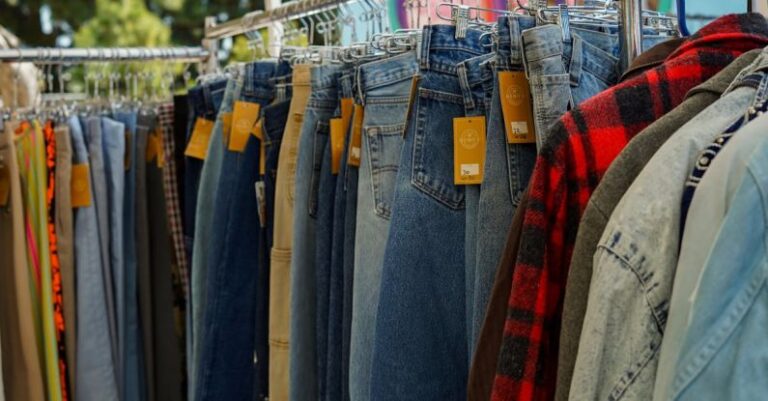
Lastly, an essential aspect of sustainable apparel is embracing secondhand and vintage clothing. Shopping at thrift stores, consignment shops, or online marketplaces for pre-loved garments is a great way to reduce waste and extend the life cycle of clothing. Secondhand shopping not only helps divert clothing from landfills but also allows you to discover unique and one-of-a-kind pieces that add character to your wardrobe.
In conclusion, when it comes to choosing sustainable apparel, there are several key essentials to keep in mind. By focusing on materials, certifications, quality, versatility, ethical production practices, waste reduction, innovative design, and secondhand options, you can make more informed and eco-conscious fashion choices. By supporting brands that prioritize sustainability and ethical practices, you can play a part in creating a more sustainable and responsible fashion industry for the future.