What Role Does Upcycled Clothing Play in Sustainable Fashion?
In the ever-evolving world of fashion, sustainability has become a key focus for both brands and consumers. As the detrimental impacts of fast fashion continue to be unearthed, the need for more eco-friendly practices within the industry has become increasingly urgent. One significant aspect of sustainable fashion that has gained traction in recent years is the concept of upcycled clothing. This innovative approach to design not only reduces waste but also offers a creative solution to the environmental challenges facing the fashion industry.
**The Rise of Upcycled Clothing**
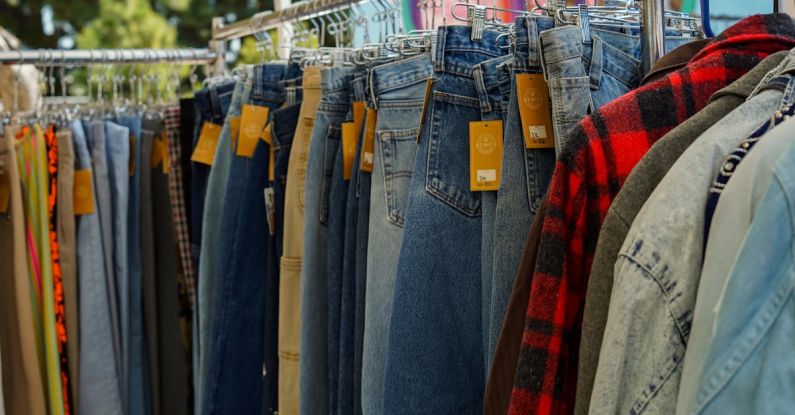
Upcycled clothing has emerged as a response to the wasteful practices of the fashion industry. Traditional manufacturing processes generate a significant amount of textile waste, leading to environmental degradation and pollution. By repurposing discarded materials and old garments, upcycled clothing presents a more sustainable alternative to conventional fashion production. This approach not only reduces the demand for new raw materials but also minimizes the amount of clothing ending up in landfills.
**Creativity and Innovation in Design**
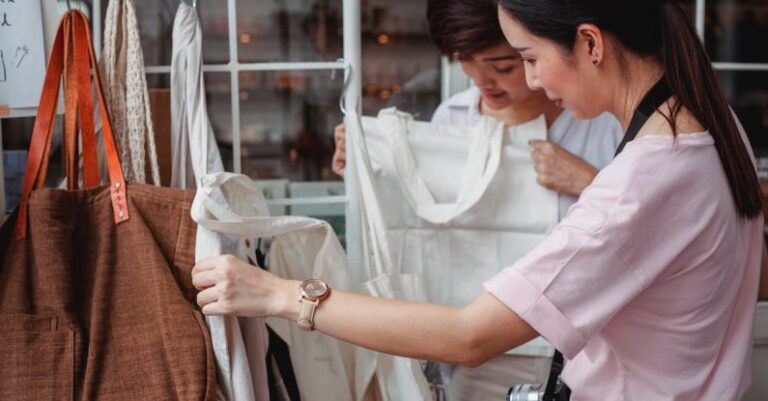
One of the key aspects of upcycled clothing is its emphasis on creativity and innovation in design. Designers who specialize in upcycled fashion are tasked with transforming existing materials into new, unique pieces that challenge traditional notions of style and beauty. By working with pre-existing fabrics and garments, these designers are forced to think outside the box, resulting in truly original and one-of-a-kind creations. This process encourages a more thoughtful and resourceful approach to fashion design, inspiring both designers and consumers to reconsider the value of materials that would otherwise be discarded.
**Environmental Impact and Sustainability**
The environmental impact of upcycled clothing cannot be overstated. By diverting textiles from landfills and reducing the need for new production, upcycled fashion contributes to the conservation of natural resources and the reduction of carbon emissions. Additionally, upcycling helps to raise awareness about the importance of circularity within the fashion industry, promoting a more sustainable and ethical approach to consumption. As consumers become more conscious of the environmental consequences of their purchasing decisions, upcycled clothing offers a tangible way to support sustainability without sacrificing style or quality.
**Economic Benefits and Social Impact**
In addition to its environmental benefits, upcycled clothing also has the potential to create positive economic and social impacts. By supporting upcycled fashion brands and designers, consumers can contribute to the growth of a more sustainable and ethical fashion industry. This, in turn, can lead to the creation of new jobs and opportunities within the upcycling sector, fostering a more inclusive and diverse fashion landscape. Moreover, upcycled clothing has the potential to challenge traditional notions of luxury and exclusivity, making sustainable fashion more accessible and affordable to a wider audience.
**Looking Ahead: The Future of Upcycled Fashion**
As the demand for sustainable fashion continues to grow, the future of upcycled clothing looks promising. With advancements in technology and increased awareness around environmental issues, more designers and brands are embracing upcycling as a viable and innovative solution to the challenges facing the fashion industry. By promoting creativity, sustainability, and social responsibility, upcycled clothing is reshaping the way we think about fashion and consumption.
**In Summary**
Upcycled clothing plays a crucial role in sustainable fashion by offering a creative and eco-friendly alternative to traditional production methods. Through its focus on creativity, environmental impact, economic benefits, and social impact, upcycled fashion is paving the way for a more sustainable and ethical future in the industry. As consumers become more conscious of their purchasing decisions, upcycled clothing provides a tangible way to support sustainability while embracing style and innovation. The rise of upcycled fashion signals a shift towards a more circular and responsible approach to fashion design and consumption, making it a key player in the movement towards a more sustainable fashion industry.