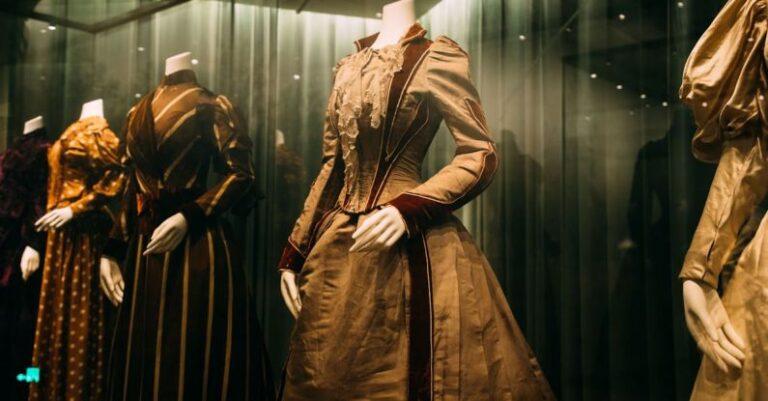
What Are the Most Revolutionary Garments in Fashion History?
Throughout history, certain garments have transcended their original purpose and become cultural icons. These revolutionary pieces have not only shaped the way we dress but also influenced societal norms and perceptions of fashion. From the corset to the miniskirt, these garments have left a lasting impact on the industry and continue to inspire designers and fashion enthusiasts alike.
The Corset: A Controversial Symbol of Femininity
The corset is perhaps one of the most controversial garments in fashion history. Dating back to the 16th century, this structured undergarment was designed to cinch the waist and create an hourglass figure. While the corset was initially worn by both men and women, it later became synonymous with female fashion and a symbol of femininity and beauty.
Despite its popularity, the corset has faced criticism for its restrictive nature and potential health risks. In the 19th century, the corset was even attributed to causing a range of health issues, including difficulty breathing and damage to internal organs. However, its allure and transformative effect on the female silhouette cannot be denied.
The corset continues to be a source of inspiration for contemporary designers who reinterpret its structure and silhouette in modern ways. From corset tops to corset belts, this once-controversial garment has found new life in the world of fashion.
The Little Black Dress: A Timeless Wardrobe Staple
Credited to the iconic designer Coco Chanel, the little black dress has become a timeless wardrobe staple that transcends trends and seasons. Chanel introduced the concept of the little black dress in the 1920s, offering a versatile and sophisticated option for women to wear on various occasions.
The little black dress quickly gained popularity for its simplicity and elegance, becoming a symbol of chic sophistication and understated glamour. Its versatility allows it to be dressed up or down, making it a go-to choice for women around the world.
Over the years, the little black dress has been reinterpreted by countless designers, each putting their own spin on this classic silhouette. From Audrey Hepburn’s iconic Givenchy dress in “Breakfast at Tiffany’s” to modern iterations seen on the runway, the little black dress remains a must-have in every woman’s wardrobe.
The Miniskirt: A Symbol of Liberation and Empowerment
The miniskirt made its debut in the 1960s, challenging traditional notions of modesty and femininity. Designed by British designer Mary Quant, the miniskirt was a bold statement that celebrated youth culture and liberation.
The miniskirt quickly became a symbol of empowerment and freedom for women, breaking away from the conservative fashion norms of the time. Its short length and playful silhouette challenged societal expectations and paved the way for a new era of fashion.
Since its inception, the miniskirt has evolved to suit different styles and trends, remaining a popular choice for women of all ages. Whether styled with tights and boots for a winter look or paired with sandals for a summer ensemble, the miniskirt continues to be a wardrobe staple that embodies confidence and self-expression.
Innovative Fabrics: Pushing the Boundaries of Fashion
In addition to specific garments, innovative fabrics have also played a significant role in revolutionizing the fashion industry. From the introduction of synthetic materials like nylon and polyester to sustainable options such as bamboo and recycled fibers, advancements in fabric technology have opened up new possibilities for designers and consumers.
These revolutionary fabrics have not only expanded the design capabilities of fashion but also raised awareness about environmental sustainability and ethical production practices. With a growing emphasis on conscious consumption, designers are increasingly turning to eco-friendly materials to create garments that are both stylish and environmentally responsible.
Fashion Revolution: Embracing Diversity and Inclusivity
As the fashion industry continues to evolve, there is a growing emphasis on diversity and inclusivity. Designers are challenging traditional beauty standards and embracing models of all shapes, sizes, and backgrounds. This shift towards inclusivity is not only reflective of changing societal attitudes but also signals a more progressive and inclusive future for fashion.
By celebrating diversity and representation, the fashion industry is breaking down barriers and redefining beauty on its own terms. From inclusive sizing to gender-neutral collections, designers are leading the way towards a more inclusive and diverse fashion landscape that celebrates individuality and self-expression.
Embracing the Future: A New Era of Fashion
As we look towards the future of fashion, it is clear that the industry will continue to evolve and innovate. From sustainable practices to inclusive designs, the fashion world is undergoing a transformation that embraces diversity, creativity, and social responsibility.
By recognizing the revolutionary garments that have shaped the history of fashion, we can appreciate the impact they have had on our culture and society. As we move forward, let us celebrate the diversity and creativity that define the ever-changing landscape of fashion.