What Is the Evolution of Jeans from Workwear to Fashion Staple?
**What Is the Evolution of Jeans from Workwear to Fashion Staple?**
Jeans, the iconic wardrobe staple that almost everyone owns, have a fascinating history that traces back to their humble beginnings as sturdy workwear for laborers in the 19th century. From their utilitarian origins to becoming a symbol of rebellion and youth culture in the mid-20th century, jeans have truly evolved into a fashion must-have that transcends age, gender, and social status.
**The Birth of Jeans: A Functional Workwear**
The story of jeans began in the 1870s with Levi Strauss, a German immigrant who moved to San Francisco during the Gold Rush. Strauss, a businessman, partnered with tailor Jacob Davis to create durable work pants for miners by using rivets to reinforce stress points. These pants, made from sturdy denim fabric, were the first iteration of what we now know as jeans.
Initially known as “waist overalls,” jeans gained popularity among laborers, farmers, and cowboys due to their durability and practicality. The distinctive features of jeans, such as rivets, belt loops, and the iconic five-pocket design, were all born out of necessity and functionality.
**The Rise of Jeans as a Symbol of Rebellion**
In the 1950s, jeans began to transcend their workwear roots and entered the realm of popular culture thanks to Hollywood icons like James Dean and Marlon Brando, who wore them on-screen, solidifying their status as a symbol of rebellion and non-conformity.
During the 1960s and 1970s, jeans became synonymous with counterculture movements and anti-establishment sentiments. The youth of the era embraced jeans as a form of self-expression, customizing them with patches, embroidery, and distressing to make a statement against the status quo.
**Jeans in High Fashion: From Runways to Street Style**
By the 1980s, jeans had undergone a transformation from workwear to high fashion, thanks to designers like Calvin Klein and Giorgio Armani who elevated denim to the runway. The introduction of designer jeans with premium fabrics and tailored cuts created a new market for luxury denim, appealing to a more affluent consumer base.
The 1990s saw a resurgence of vintage denim and the popularity of brands like Levi’s, Wrangler, and Lee among fashion-forward youth. The grunge movement embraced the casual, lived-in look of jeans, making them a staple in street style and music subcultures.
**Jeans Today: A Versatile Wardrobe Essential**
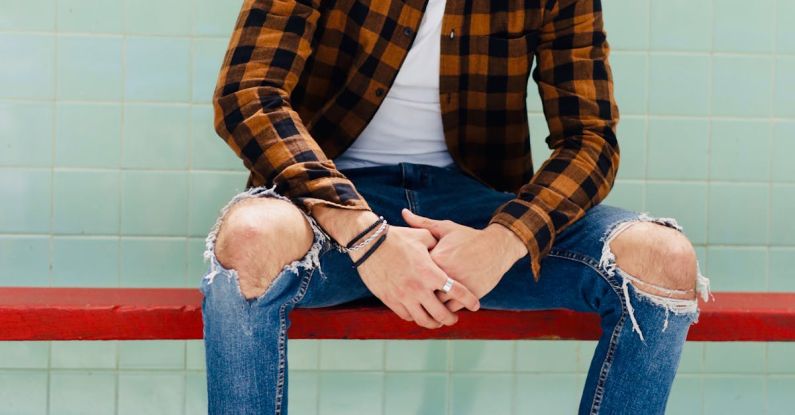
In the 21st century, jeans have solidified their place as a versatile wardrobe essential that can be dressed up or down for any occasion. From skinny jeans to wide-leg styles, distressed denim to dark washes, there is a jean for every body type and fashion preference.
Celebrities, influencers, and fashion designers continue to reinvent and reinterpret jeans, keeping them fresh and relevant in an ever-changing fashion landscape. Sustainable denim practices, such as using organic cotton and reducing water usage in production, have also become a priority for many denim brands, reflecting a shift towards more eco-conscious fashion choices.
**The Timeless Appeal of Jeans**
Despite the ever-changing trends in fashion, jeans remain a timeless wardrobe staple that transcends generations and cultural boundaries. Whether paired with a t-shirt and sneakers for a casual look or dressed up with heels and a blazer for a night out, jeans have the unique ability to adapt to any style and occasion.
In conclusion, the evolution of jeans from humble workwear to a fashion staple is a testament to their enduring appeal and versatility. From their functional origins to their status as a symbol of rebellion and high fashion, jeans have truly stood the test of time and continue to be a wardrobe essential for people around the world.